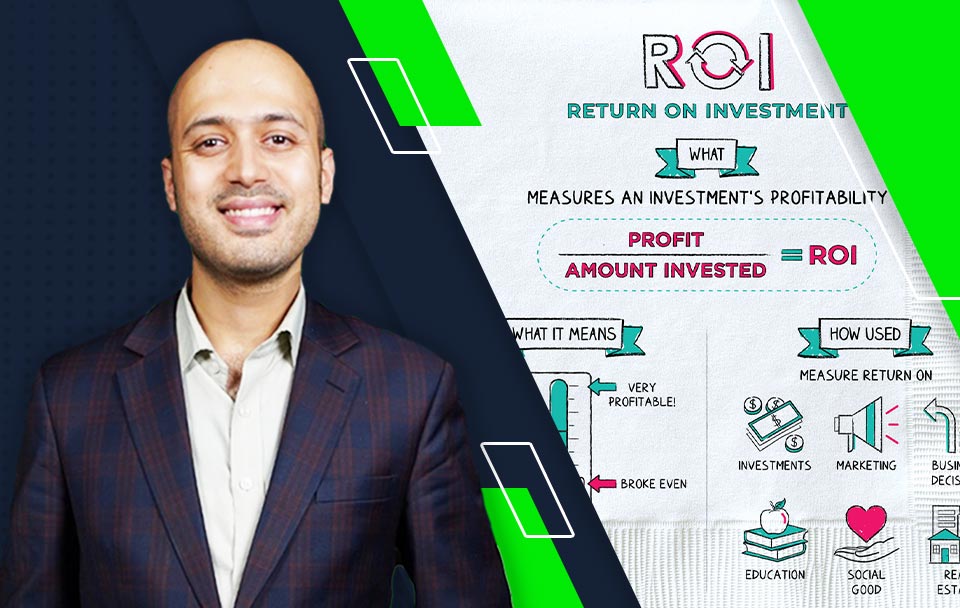
What is the Share Market (Stock Market)?
The share market, also called the stock market, is a place where people buy and sell shares of listed companies. When you buy a share, you own a small part of that company. In Nepal, shares are traded on the Nepal Stock Exchange (NEPSE), and the market is regulated by the Securities Board of Nepal (SEBON).
Why Learn the Share Market in 2026/27?
- Make informed decisions: Many people in Nepal invest based on rumours or tips. A proper course teaches you to analyze companies and charts yourself.
- Manage risk: Learn how to protect your money with diversification, stop-losses, and position sizing.
- Build long-term wealth: Understand how dividends, bonus shares, and long-term investing can grow your savings.
- More investors than ever: Millions of Nepalis now have Demat accounts, and online trading has made the market easier to access.
What You Will Learn in Our Share Market Courses
- Share market basics: NEPSE, SEBON, brokers, and how trading works.
- Getting started: Opening a Demat account, using MeroShare, and applying for IPOs.
- Fundamental analysis: Read financial statements and ratios like EPS, P/E, and book value.
- Technical analysis: Read charts, candlestick patterns, support and resistance, and indicators.
- Trading and investing strategies: Plan entries and exits, and build a balanced portfolio.
- Risk management: Control losses and avoid common beginner mistakes.
Our Share Market Courses in Nepal
| Course |
Instructor |
Duration |
Level |
| Fundamental Analysis of Share Market | A Complete Beginners Guide |
Digital Gurkha Experts |
1h 31m |
Beginner (Free) |
| A Complete Guide to Investing in Stock Market in Nepal |
Avish Acharya |
5h 17m |
Beginner to Intermediate |
| NEPSE Technical Analysis | Learn to Trade in Nepali Share Market |
Ajay Singh Thapa |
4h 52m |
Intermediate |
| BEST – NEPSE Technical Analysis Training |
Ashok Kumar Shah |
11h 35m |
Intermediate to Advanced |
How to Choose the Right Share Market Course in Nepal
- NEPSE-focused content: Choose a course built around the Nepali market, its rules, and its companies.
- Experienced instructor: Learn from people with real investing, banking, or market experience.
- Both analysis types: A good learning path covers fundamental and technical analysis.
- Practical examples: Look for lessons using real NEPSE charts and company reports.
- Honest teaching: Avoid courses that promise guaranteed profits. Good courses focus on skills and risk management.
- Student reviews: Check ratings and feedback from past learners.
Scope of the Share Market in Nepal
The share market in Nepal has grown rapidly in recent years. Online trading, easy IPO applications through MeroShare, and more listed companies have brought in a large number of new investors. Banks, hydropower, insurance, and microfinance companies are among the most actively traded sectors. As participation grows, so does the need for proper share market education.
Career Opportunities After Share Market Courses in Nepal
- Stock Market Analyst: Study market trends and company performance.
- Equity Research Analyst: Research companies and sectors to support investment decisions.
- Broker Firm Staff / Dealer: Work with clients at a licensed stockbroker.
- Portfolio Management Staff: Help manage investment portfolios at merchant banks and capital companies.
- Financial Consultant: Guide people on financial planning and investing.
- Market Content Creator: Create educational content about NEPSE for blogs, YouTube, and social media.
Even if you don’t work in finance, share market knowledge helps you manage your personal savings and investments wisely.
Future of the Share Market in Nepal (2026/27 and Beyond)
- Online trading growth: Online trading systems and mobile apps are making the market more accessible every year.
- More young investors: Students and young professionals are joining the market in large numbers.
- Data and AI tools: Investors increasingly use charting platforms, screeners, and AI tools for research.
- Need for financial literacy: As more people invest, learning proper analysis and risk management becomes even more important.
Frequently Asked Questions About Share Market Courses in Nepal
Which is the best share market course in Nepal for beginners?
Start with our free “Fundamental Analysis of Share Market” course to learn the basics. Then take “A Complete Guide to Investing in Stock Market in Nepal” to understand how to invest in NEPSE step by step.
How much does a share market course cost in Nepal?
At Digital Gurkha, you can start learning for free. Our full share market courses are affordable and often available at a big discount. Check the course cards above for the latest price.
What is the difference between technical and fundamental analysis?
Fundamental analysis studies a company’s financial health, such as profits, EPS, and P/E ratio, to find its real value. Technical analysis studies price charts and trading patterns to decide when to buy or sell. Most successful investors use both.
Can I learn the share market online in Nepal?
Yes. All our share market courses are online video courses. You can learn from anywhere in Nepal, at your own pace, on your phone or computer.
How do I start investing in the Nepali share market?
Open a Demat account with a depository participant (DP), activate MeroShare, and open a trading account with a SEBON-licensed broker. After that, you can apply for IPOs and buy or sell shares through online trading.
Will a share market course guarantee profits?
No. No course can guarantee profits, because share prices go up and down. A good course teaches you to analyze stocks, manage risk, and make better decisions, which improves your chances over time.
Conclusion
Learning the share market is one of the best ways to take control of your money in 2026/27. Our share market courses in Nepal teach you NEPSE basics, fundamental and technical analysis, and smart risk management. Start with the free course today and invest with knowledge, not guesswork.
Disclaimer: Our courses are for educational purposes only and are not financial advice. Investing in the share market involves risk.